A practical guide
Public healthcare in Spain: how it actually works
The Spanish public health system — the Sistema Nacional de Salud, or SNS — runs on a simple promise: if you live here legally and you’re registered, you get healthcare, and you don’t get a bill for it. That’s the headline, and it’s true. But if you’re moving your life here, you’ll want the whole picture, including the parts that are less rosy. Here it is, without the brochure gloss.
Who actually has access
Public healthcare in Spain is universal and free at the point of use for residents. That principle is written into law — the Ley 14/1986 General de Sanidad — and it means the system is funded by taxes, not by an insurance bill tied to your job.
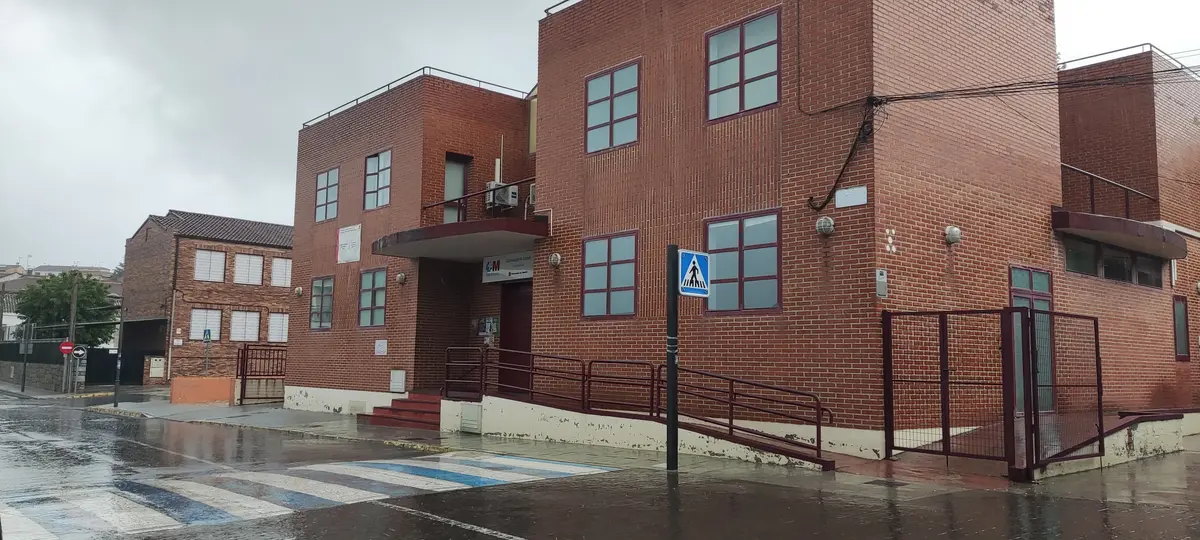
To use it for everyday care, two pieces of paperwork matter. First, you need to be empadronado: registered at your town hall (ayuntamiento) as living in the municipality. Second, with that, you apply for your tarjeta sanitaria, the health card that assigns you to a local centro de salud and a médico de cabecera — your family doctor. Without the card you can’t book routine appointments online. But urgencias — the emergency room — treats anyone in a serious situation, card or no card. That, too, is the law.
How it works day to day
The whole model is built on atención primaria — primary care. You don’t self-refer to specialists. You see your médico de cabecera first, at your neighbourhood centro de salud, and they handle most things or refer you onward only when it’s genuinely needed. Over time your doctor gets to know you, which is the quiet advantage of the system: continuity.
Prescriptions go to any farmacia, where residents pay a reduced copay — often a couple of euros — while the state covers the rest. And the farmacéutico is more than a cashier: for minor ailments they’re usually your first advisor, and they’ll tell you when it’s time to actually see a doctor.
The numbers
ESPAÑA
·4·
Life expectancy in Spain — the highest in the European Union.Eurostat, 2024
Spanish women live longer than women in any other EU country.Eurostat, 2024
The region of Madrid lives longer than any other region in the EU.Eurostat, 2024
Spain’s public health spending — below the eurozone average, yet it still leads Europe for lifespan.Ministerio de Sanidad, 2024
It changes by region
Here’s something that surprises newcomers: there isn’t one Spanish health system, there are seventeen. Healthcare is transferido — devolved to each comunidad autónoma. The national framework and your right to care are the same everywhere, but the day-to-day — how you book, the state of the buildings, staffing, and crucially the waiting times — varies from Andalucía to the País Vasco.
Practically, this matters if you move between regions. Your tarjeta sanitaria is issued by the comunidad you live in, so if you relocate from, say, Valencia to Galicia, you re-register in the new region and get a new card and a new centro de salud. Your right to care never lapses; the paperwork just follows you.
The honest part: waiting lists
The system’s weak point is time, not money. Emergencies and serious illness are handled fast. But for non-urgent specialist appointments and scheduled surgery, you wait — sometimes a long time.
This is why many residents — Spaniards included — carry a modest private health policy on the side, not to replace the public system but to skip the queue for a non-urgent specialist or a scan. It’s a common, unglamorous piece of the real picture.
Thinking about private cover to go alongside the public system? Our sister site compares international and private health insurance for people moving to Spain — including the policies that visas require.If you’re moving here
The order of operations is simple: get empadronado at your ayuntamiento, then apply for your tarjeta sanitaria, then register at your local centro de salud and meet your médico de cabecera. If you’re still on a visa that requires private insurance, or you want to avoid the specialist waits, a private policy can run in parallel — the two aren’t mutually exclusive.
Read the story behind it: the day my American friend went to the doctor and didn’t pay a cent → — Carlos The story that started this →