May 8, 2026
The Day My American Friend Went to the Doctor and Didn't Pay a Cent
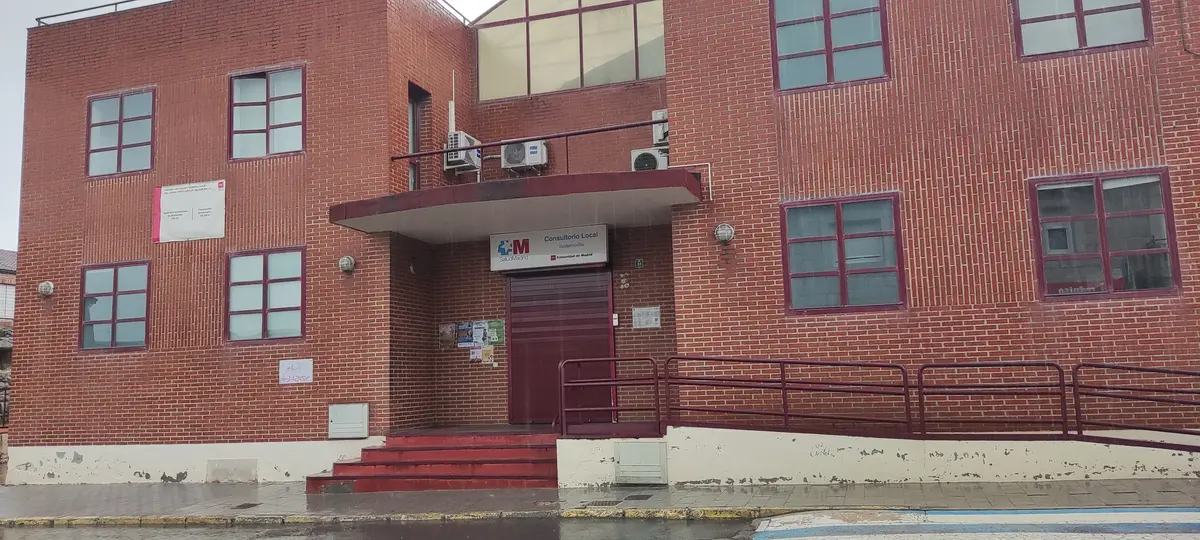
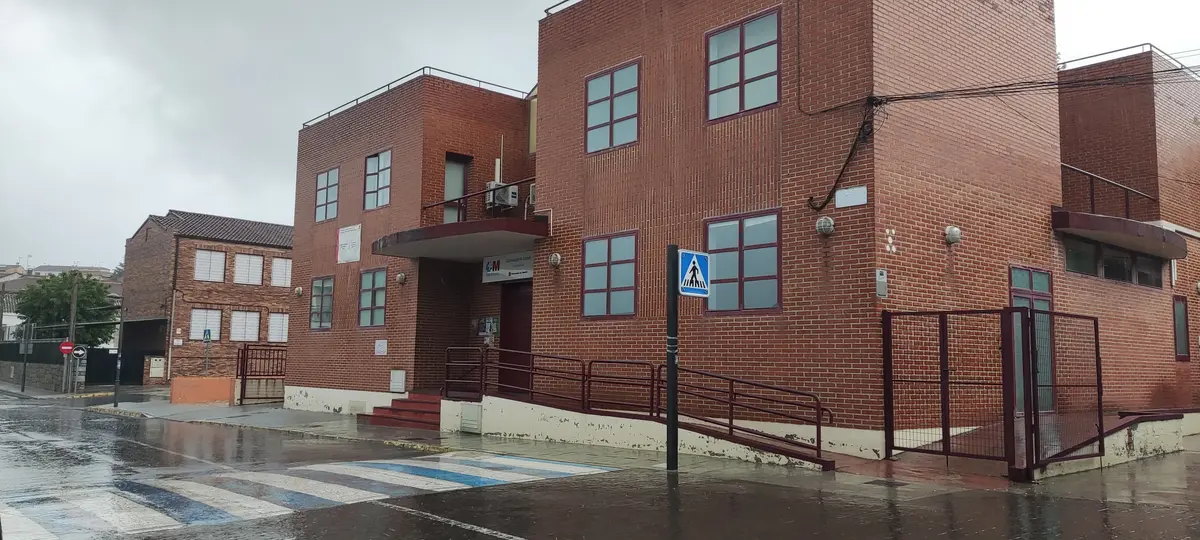
Brian’s right shoulder had been bothering him for months — he winced every time he lifted his arm. One Sunday, playing padel, it twinged hard, and after that it never quite let up. I kept telling him to go to my centro de salud, the public health center in our barrio. He kept saying he’d be fine. One Tuesday morning he finally went, a little before ten, when the waiting room is still half empty and quiet. Forty minutes later my phone rang. He was standing on the sidewalk outside, squinting into the sun, his voice tight.
“They did an X-ray. They gave me a prescription. And I didn’t pay anything. Is this legal?”
“They did an X-ray. They gave me a prescription. And I didn’t pay anything.”
I laughed. I had to explain that yes, this is how it works here. This is sanidad pública. This is normal.
For any resident, healthcare is universal and free at the point of use. No one hands you a bill after you see your médico de cabecera — your assigned family doctor — at the centro de salud. No one swipes a credit card. The system runs on atención primaria: the idea that most health issues should be handled by a general practitioner who knows you, or will know you soon enough, and only refers you to a specialist if it’s truly necessary. To an American like Brian, who’s been trained to fear the financial ambush of a simple doctor’s visit, this feels like some kind of clerical error. It’s not a trick. It’s just the way the whole thing is built.
The numbers behind it
ESPAÑA
·4·
Life expectancy in Spain — the highest in the European Union.Eurostat, 2024
What a resident pays to see their médico de cabecera. The public system is free at the point of use.Ley 14/1986 General de Sanidad
Spanish women live longer than women in any other EU country.Eurostat, 2024
Spain’s public health spending — and it still tops Europe for lifespan.Ministerio de Sanidad, 2024
To step into that world, you need to be empadronado — registered at the town hall as living in the municipality — and you need your tarjeta sanitaria, the health card that links you to your centro de salud and your médico. Without it, you can’t book an appointment online, and the person at the front desk will gently remind you to sort out your paperwork. But if something serious happens, if you break a bone or can’t breathe, urgencias doesn’t ask for a card. The emergency room treats anyone, no questions, because that’s written into the law. When you’re in trouble, being helped is treated here as a right, not something you have to earn.
When you do leave with a prescription, you take it to any farmacia on the block. The farmacéutico scans it and charges you a fraction of the actual cost — sometimes a euro, sometimes four. The state covers the rest. And long before you even decide to see the doctor, the farmacéutico is often your first advisor. They know the vecinos by face. They’ll lean across the counter while you describe a sore throat or a kid’s fever, hand you a syrup or a packet of ibuprofeno, and say, “If she’s not better by Thursday, go to your médico.” No appointment. No bill. Just a nod and a square of paper with the name of the thing you need.
Brian called me later that day. Not to ask if it was legal — we had already cleared that up. He called me to say something else. "I've been putting off that shoulder for months," he said. "In Ohio, I would have waited until it was unbearable. Because I knew what it would cost."
He wasn't celebrating the free X-ray. He was trying to wrap his head around a system where going to the doctor is not a financial decision. Where you go because something hurts, and that's reason enough.
That might be the most Spanish thing of all. Not the healthcare itself. The assumption behind it. The idea that getting help shouldn't require courage.
— Carlos The full picture: how Spanish public healthcare actually works, region by region →